Costs
Canadian Small Business Cyber Insurance: What $1 Million Costs in CAD
Canadian small business cyber insurance with a $1 million limit runs roughly $1,500 to $6,000 CAD a year, and the exclusions decide the real payout.

Archive
Costs
Canadian small business cyber insurance with a $1 million limit runs roughly $1,500 to $6,000 CAD a year, and the exclusions decide the real payout.
Costs
Commercial coverage premiums for the same schedule differ between New York City and rural Texas because of litigation, rebuild costs, and state rate rules.
Features
Contractors equipment insurance vs general liability: a stolen excavator case that shows which US policy pays, and which clause decides the claim.
Guides
Canadian cyber insurance requirements start with MFA, backups and privacy duties. IBC guidance shapes quotes, premiums and claims for small firms.
Features
Commercial coverage for Miami property needs windstorm limits, business interruption, and NFIP flood cover layered with private capacity above it.
Guides
Business insurance costs track OSHA compliance and state workers comp rules: here is how enforcement, NCCI ratings and State Plans move premiums.
Features
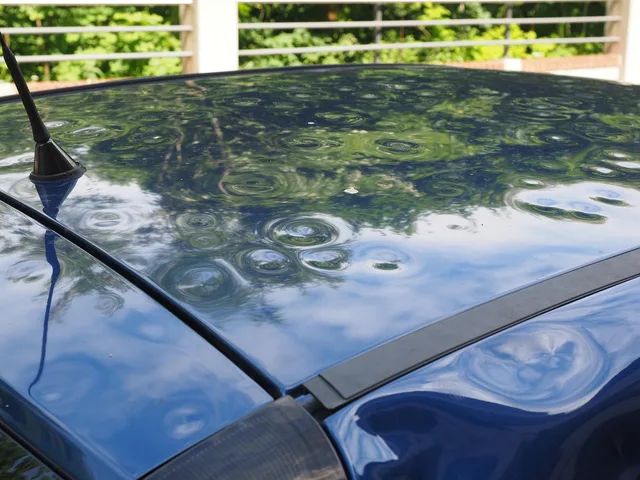
Commercial coverage premiums in California and Florida diverge sharply as wildfire, hurricane and hail risk reshape commercial property pricing.
Guides
This commercial guide explains how to read a US policy from declarations to exclusions, ISO forms, endorsements and the IRS treatment of premiums.
Rules
Commercial coverage premiums vary with state filing rules, including prior approval, file and use, admitted-market requirements, and surplus lines.
Costs
Commercial auto coverage costs run higher in high-litigation states like California and Florida, where jury awards and state rules drive premiums.
Features
Cross-border coverage for US businesses in Canada and Mexico: how parent, admitted local and difference-in-conditions policies fit together.
Industry
Commercial coverage premiums in Houston reflect the energy, maritime and environmental risks that standard business policies usually exclude or cap.
Guides
Business interruption coinsurance sets the limit you must carry. Here is the formula and a US example showing how underinsurance cuts a claim payout.
Reviews
How an umbrella layer fails when something beneath it changes at a renewal nobody connected to the layer, with the checks that catch each break in coverage.
Features
Umbrella coverage requirements in a contract: a total limit, additional insured status and priority. How to test each clause against the umbrella's own wording.
Rules
Umbrella coverage insurers stand or fall on the underlying schedule: follow-form exceptions, maintenance conditions, and what to ask before binding.
Rules
Insurance by industry mistakes: nine ways a trade label stands in for a description of activities, and what to put in writing instead.
Rules
Umbrella coverage is a list of other policies before it is anything else. Read the schedule of underlying insurance first and the headline limit second.
Features
How to tell which insurance carriers understand your trade, from appetite guides to trade programs, and how to check a package quote before signing.
Maintenance
Invented insurance by industry examples drop the same event into three trades and show which policy is in play and why the description of operations is what decides.
Guides
Insurance by industry review in five steps: describe your business, check the class and policy, revisit each exposure base, reconcile contracts, write to the broker.
Rules
Commercial auto examples run a three-question drill: which category, which coverage, and who was driving. Eight invented situations, no answers given.
Reviews
An insurance by industry calculator adds up separate lines, each priced on its own exposure base. What each line measures and which papers supply it.
Features
Insurance by industry usually means trade labels; what decides your coverage is exposure: public access, work on others' property, and property in your care.
Costs
Commercial auto cost includes vehicle premiums, per-vehicle deductibles, downtime, rental costs, financed-vehicle gaps, and invoice fee categories.
Costs
A commercial auto review before renewal can start in four places: the yard, the office, the policy, and a written change letter to your broker.
Features
Commercial auto rules come from several bodies at once. Four questions about weight, cargo, geography and hire place your fleet in the right layers.
Features
Use this commercial auto checklist to verify drivers, vehicle records, insurance terms, motor-carrier filings, renewal details and sign-offs.
Maintenance
Commercial auto policies cover categories of vehicle rather than simply yours: owned, hired and non-owned, coverage by coverage, and the usual gaps.
Rules
Workers compensation examples present eight hypothetical claim scenarios, isolating facts that may shape claims without predicting state-specific outcomes.
Industry
Workers compensation requirements come in four kinds: securing cover, telling workers, reporting injuries, and contract demands. Each has its own authority.
Guides
Five workers compensation rules that catch employers out, from owner elections to experience modification, and where each one is actually written.
Costs
A workers compensation policy pairs statutory benefits with employers' liability; see how classification, payroll, audits, and claims history shape premiums.
Rules
Commercial property checklist for the record you build before a loss, the proof a business income claim needs, and the first hours and weeks after one.
Guides
Commercial property mistakes stay free until the day of a loss: stale values, coinsurance, the lease boundary, and what the schedule never mentioned.
Maintenance
Commercial property requirements arrive from three directions: what an underwriter needs, what the lease demands, and what the lender insists on.
Reviews
Commercial property coverage depends on what is scheduled, how property is valued, which losses are excluded, and how deductibles and business income work.