Costs
Part of Commercial auto: the parts worth your attention
Four places to check during a commercial auto review
A commercial auto review before renewal can start in four places: the yard, the office, the policy, and a written change letter to your broker.
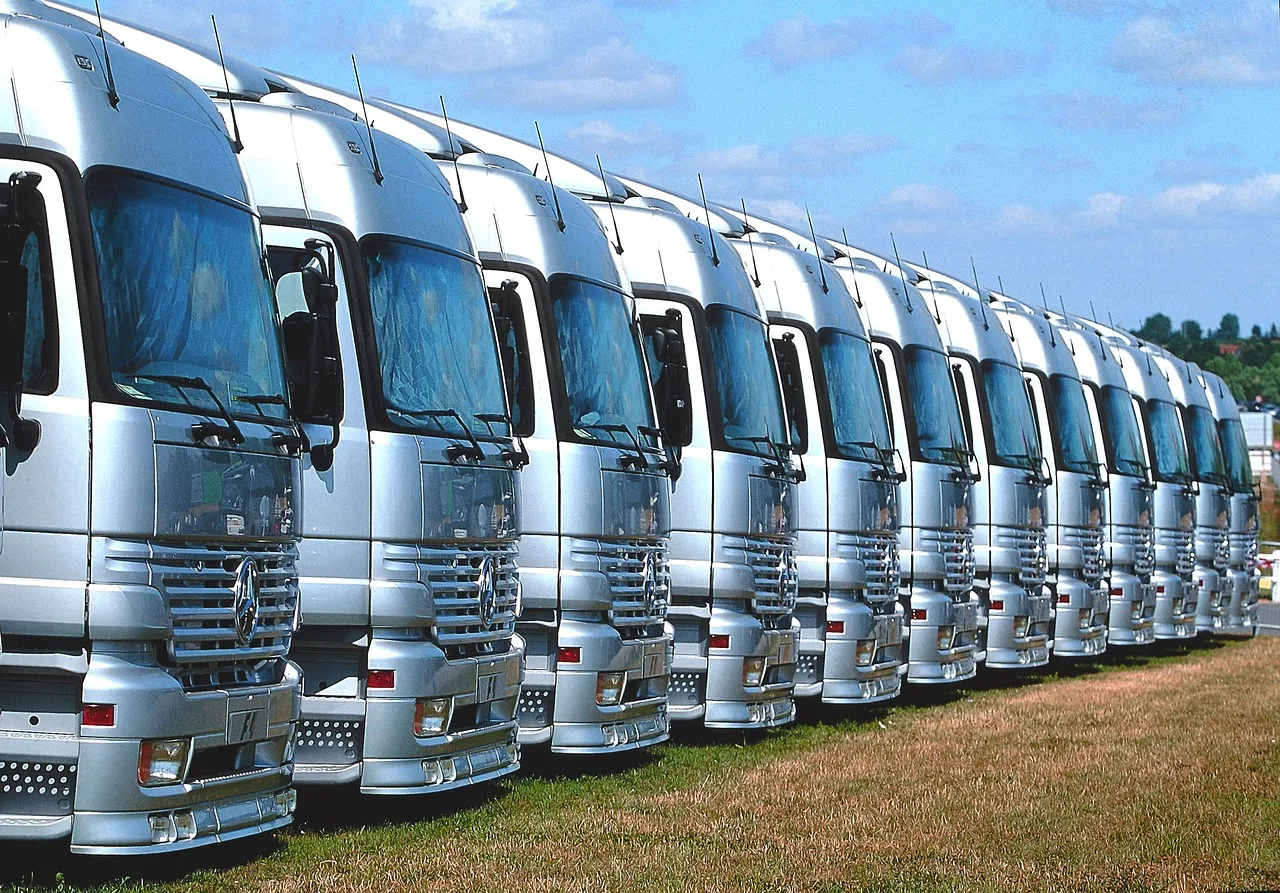
Do this one in the parking lot. A vehicle policy is unusual: the things it insures are physically in front of you, and the fastest way to find what is wrong with the paperwork is to stand next to the metal and read the schedule aloud.
The review runs in four places: the yard, the office, the policy, and the letter you send afterwards. It takes an hour for a small fleet and it finds the same gaps every year.
What to take away
- Count the vehicles you actually operate, then count the vehicles on the schedule. The two numbers disagree more often than anyone expects.
- For each vehicle, three facts are rating facts and must be true: who holds the title, where it sleeps, and what it does.
- Each coverage on the policy applies to designated categories of vehicle. Read which categories, not just which coverages.
- Send the broker a list of changes, not a question about whether everything is fine.
In the yard
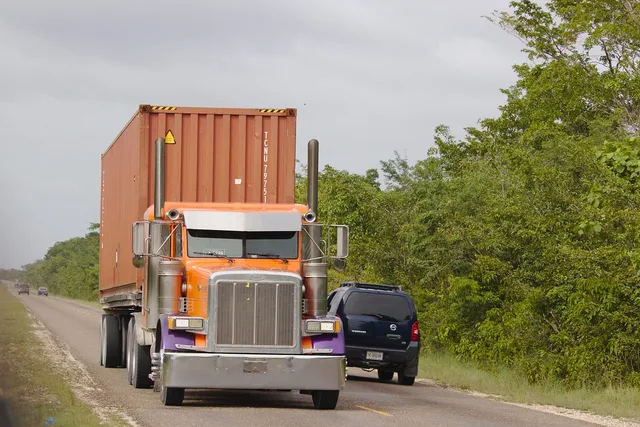
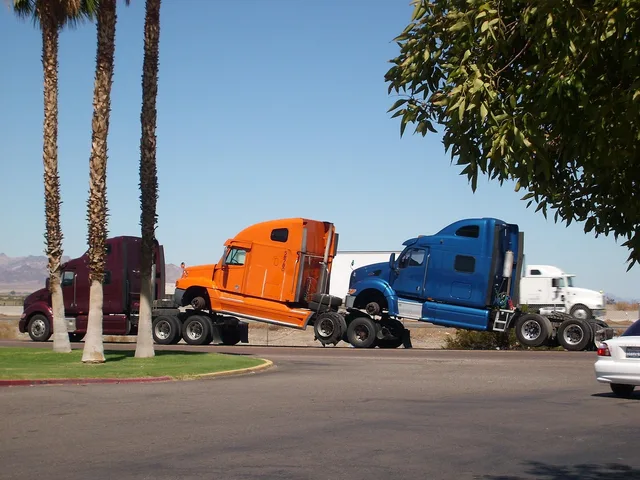
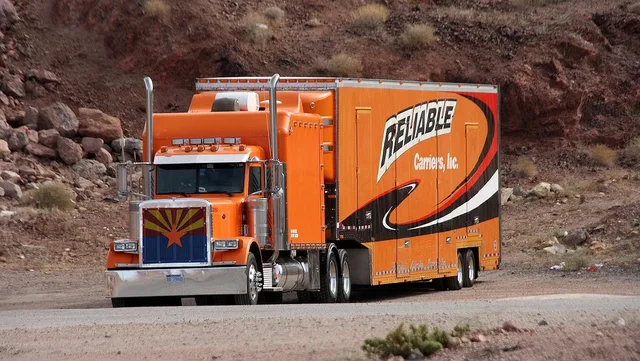
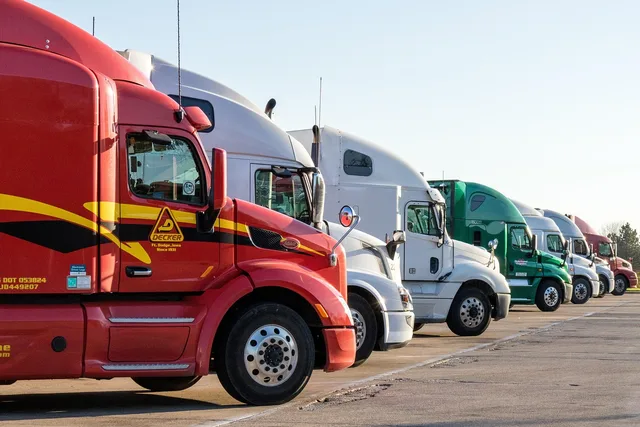
Walk the lot with the schedule printed. For every vehicle you see, find it on the schedule by identification number, not by nickname. Mark three things beside each one.

Title. Whose name is on it. A pickup titled to the owner personally and used entirely by the business is a familiar problem: it may sit on the wrong policy, or on none that contemplates its actual use.
Garaging. Where it is kept overnight, most nights. This is a rating factor and it is supposed to be accurate. A vehicle that moved to an employee's home, a second site, or a different state has changed a fact the premium was built on.
Use and radius. What it carries and how far it routinely goes. A van that started life carrying tools and now delivers goods is a different risk. A route that crosses a state line does not by itself establish which federal rules apply; vehicle size, use, cargo, and operating authority matter. Screen the operation with the Federal Motor Carrier Safety Administration (FMCSA), including whether USDOT registration or a filing such as the Motor Carrier Identification Report applies, and check relevant state requirements. The federal and state rules for commercial auto may differ.
Then look for what is in the yard but not on the schedule: a trailer, a piece of self-propelled equipment, a vehicle bought mid-year, a vehicle someone is "just using for now". And note what is on the schedule but not in the yard, because you are paying for it.
In the office
Three lists live here, and the review is the act of reconciling them.
- Everyone who drove a company vehicle in the last year, including anyone who did it once.
- Everyone who used their own car on company business, including the errand nobody thinks of as driving for work. The reason this list exists at all is respondeat superior: the employer can be answerable for what an employee does in the course of the job, whoever owns the car.
- Everyone who rented a vehicle for the business, and what they signed at the counter.
Compare the first list with your motor vehicle reports (MVRs) and with your standard for who may drive. OSHA's Recommended Practices for Safety and Health Programs offers a general framework for written safety procedures; use it as a starting point, not as an auto-specific driver standard.
Having it on paper matters more after an incident than before. A written driver standard is the first item on a commercial auto checklist, alongside the use policy and vehicle file.
Compare the second with what the policy says about non-owned vehicles. Compare the third with what it says about hired ones. Each mismatch is a question for the broker, and each is more useful than "are we covered".
Pull the contracts too. A lease or contract may require a certificate of insurance, additional-insured status for liability, or a lender's or lessor's loss-payee status for physical damage. If a certificate is requested, ask whether the counterparty accepts an ACORD Certificate of Liability Insurance and what wording it requires. Check the applicable endorsement, not just the certificate: a certificate does not itself amend coverage or grant additional-insured status.
In the policy
Now the documents. Take them in this order.
The declarations page. Confirm the named insured is the entity that owns and operates the vehicles today. Then find the coverage table and read, for each coverage, which categories of vehicle it applies to. If the policy uses ISO's Business Auto Coverage Form, its coverage symbols distinguish categories such as any auto, owned autos, specifically described autos, hired autos, and nonowned autos; check the policy's definitions for the meaning of each symbol shown. Liability covering several categories while physical damage applies only to owned vehicles is a normal structure, and a rented truck damaged in a storm is where people discover it. The category system is also covered in the commercial auto overview.
The schedule of vehicles. Now corrected from the yard.
The endorsements list. Read each title and what coverage it changes. Look for endorsements such as a Drive Other Car endorsement, an additional-insured endorsement, or a loss-payee endorsement when your contracts or vehicle arrangements call for them. Anything you cannot explain deserves a question.
The deductibles. Note whether physical damage deductibles apply per vehicle, because one event touching several vehicles is arithmetic that surprises people.
Drivers. Check whether the policy schedules drivers, excludes anyone, or relies on your own records. Then check that against the list from the office.
The letter
Write to the broker, before renewal, with the following and nothing vaguer.
- Vehicles added, sold, retitled, or moved, with identification numbers.
- Changes in use, cargo, or radius for any vehicle.
- New drivers, departed drivers, and anyone whose record changed.
- Any personal vehicle now used regularly for business, and any rental activity.
- Contract requirements you are being asked to meet, including certificate wording or required endorsements.
- A request for confirmation, in writing, of which categories each coverage applies to on the renewal terms.
- A request for the revised premium and any endorsement charge or deductible change, in writing.
That last line is the whole point. A broker who confirms the designations in writing has told you what the policy does. A broker who says everything looks fine has told you how they feel.
When the review finds something
A change reported now may change the premium, but the amount depends on the insurer, the operation, and the policy terms. Ask the broker for the revised premium and any endorsement charge in writing rather than assuming a standard cost. The same change found after an incident is a coverage argument; the operation description you gave at purchase is the document the insurer reads first.
If a vehicle has been doing something the policy never contemplated, say so now. For more on how policies fit together and why the declarations page matters, see the insurance renewal overview.
Where vehicles are one part of a larger program, the review of the other parts belongs to the same season. Property, general liability, and the umbrella sitting above them all rely on the auto schedule being right, because an umbrella responds only over the underlying policies it lists.
Common questions
We lease everything. Does the yard walk still matter?
Yes, and the lease adds a list. Each lease sets insurance requirements and names who must be protected, and those need checking against the policy as carefully as the vehicles themselves.
How often should driver records be rechecked?
On a schedule you set in writing and apply consistently. Obtain written authorization and follow applicable state law and the federal Driver's Privacy Protection Act (DPPA) rules for accessing and using motor vehicle reports; ask your state motor vehicle agency how to request them.
A vehicle was sold mid-year and nobody told the insurer. Is that a problem?
You have been paying for it, and you may still be listed as its insurer in a database somewhere. Report it now. Removal is simple; an argument after the new owner crashes it is not.
Should I do this myself or leave it to the broker?
The broker cannot walk your yard. Do the yard and the office yourself, then let the broker do the policy with your findings in front of them. Your state's department of insurance is the body to ask if you are ever unsure whether an insurer or agent is licensed to act for you.