Industry
Houston energy and maritime industries, and their specialized commercial coverage needs
Commercial coverage premiums in Houston reflect the energy, maritime and environmental risks that standard business policies usually exclude or cap.
What to take away
- Commercial coverage premiums in Houston are driven by pollution exclusions, contractual liability and the Jones Act, not by generic small business rating.
- Environmental liability sits on top of federal rulesEPA laws and regulations, emergency response duties, and sector rules for oil, gas and marine work.
- Excess and umbrella liability layering is how energy contractors buy back capacity above primary auto, general liability and employers liability limits.
- Maritime exposures in the Houston Ship Channel turn on the Jones Act, wharfage agreements and cargo values moving through the port.
- EIA petroleum and natural gas data give underwriters the volume, price and throughput context they use to size Houston energy accounts.
- A specialized program for Houston operations combines pollution, excess, marine, workers compensation and cargo rather than one package policy.
Houston energy and maritime exposures that standard forms do not reach
A standard business owners policy was written for a storefront, not a fabrication yard on the Ship Channel. Houston risk managers find this out at the first claim.
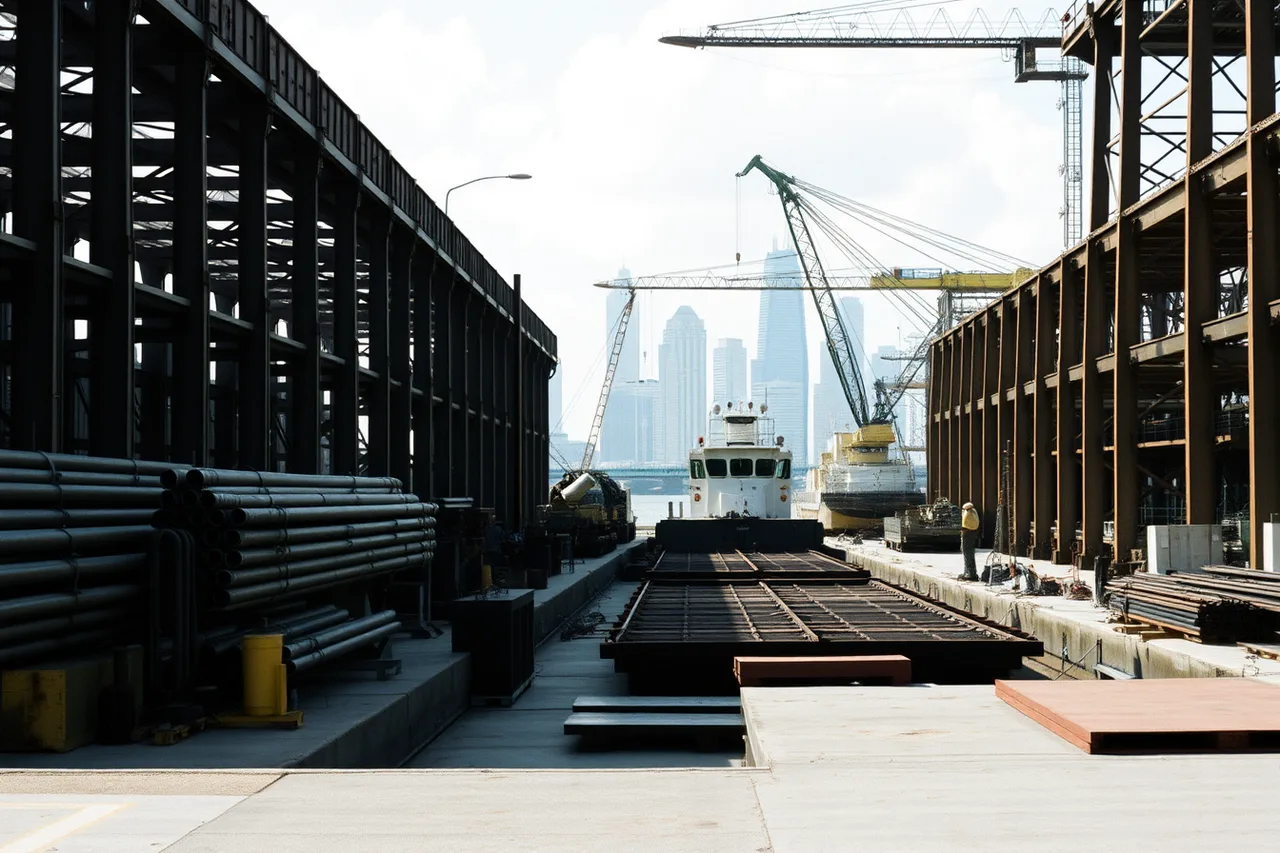
The city's economy runs on upstream and midstream oil and gas, petrochemical refining, pipeline work, marine construction, barge and tug operations, and a dense port complex. Each of those brings a liability the ISO commercial general liability form either excludes or caps.
The absolute pollution exclusion is the clearest example. A contractor that spills drilling fluid, produced water or fuel into a ditch, a bayou or the Channel has no general liability coverage for the cleanup. That exposure has to be insured separately.
Contractual liability is the second gap. Operators push indemnity, additional insured status and waiver of subrogation onto contractors through service agreements. The standard form covers only certain assumed liabilities, so the contract terms often outrun the policy.
Marine work adds a third gap. Injury to a crew member on a vessel, damage to a barge, or cargo loss in transit falls outside a land based general liability and workers compensation program. Those risks need marine specific forms.
Workers compensation in Texas is its own complication. Texas is the only state where employers may opt out of workers compensation, so a Houston contractor's injury exposure can land in court rather than in the state system. That changes how excess liability is structured.
Standard property forms also struggle with the Gulf Coast wind and flood peril. Named storm deductibles, flood sublimits and contingent business interruption from a closed refinery or terminal all need to be negotiated, not assumed.
Environmental liability: EPA rules that create the exposure
Environmental liability coverage exists because federal law creates cleanup duties that do not wait for a court judgment. The Laws & Regulations | US EPA framework is the starting point for understanding what a Houston operator can be ordered to do.
The core statutes are the Comprehensive Environmental Response, Compensation, and Liability Act, the Resource Conservation and Recovery Act, the Clean Water Act and the Clean Air Act. Each carries its own penalty, reporting and remediation structure.
CERCLA is the one that keeps risk managers awake. It imposes strict, joint and several liability on parties connected to a release, and the government can pursue cleanup costs from current and past owners and operators. A Houston terminal or tank farm can be pulled into a site it never operated.
RCRA governs hazardous waste from cradle to grave. Generators, transporters and disposal facilities all carry liability, and a Houston industrial shop that ships solvent or spent catalyst is a generator whether it thinks of itself that way or not.
The Clean Water Act matters most near the Ship Channel. Discharges to navigable waters trigger permitting and reporting duties, and the Oil Pollution Act adds spill response planning and financial responsibility requirements for vessels and facilities.
The Emergency Response | US EPA programs set out how releases are reported and handled, including the National Response Center reporting line and the National Contingency Plan. A pollution liability policy should track those duties, because a late report can become its own violation.
Coverage is usually written as site specific pollution legal liability, contractors pollution liability, or a combined form. Contractors pollution liability follows the work, which suits a Houston contractor that mobilizes to different pads, plants and docks.
Underwriters ask for the same documents every time: spill prevention plans, stormwater permits, waste manifests, Tier II reports and prior notice letters. A thin environmental file produces a thin quote.
Sector rules matter too. The Regulatory Information By Business Sector | US EPA pages pull together the requirements that apply to oil and gas, chemical manufacturing, transportation and port operations, which is exactly the split a Houston risk manager needs when allocating exposure between entities.
Excess and umbrella liability towers for energy contractors
Primary limits do not survive a serious Houston loss. One vessel collision, one refinery fire or one multi plaintiff injury claim can exhaust a primary auto or general liability policy in a single afternoon.
Excess liability sits above scheduled underlying policies and responds when those limits are used up. It is usually written on a follow form basis, meaning it adopts the terms of the underlying policy unless the excess policy says otherwise.
Umbrella liability is broader in one respect: it can drop down to cover a loss that the underlying policy does not cover at all, subject to a self insured retention. That difference drives the choice between the two.
Energy contractors typically build a tower in layers. A primary layer might be a few million dollars, followed by several excess layers placed with different carriers, each attaching where the one below ends.
Layering spreads capacity across markets and reduces dependence on a single carrier's solvency. It also creates a documentation burden, because each layer needs a schedule of underlying policies, limits and retentions that matches the layer below.
Common tower failures in Houston are avoidable. A contractor signs a service agreement requiring five million dollars of additional insured status, then buys a three million dollar tower. Or a layer excludes a risk that the primary covers, leaving a hole in the middle of the tower.
Buyers comparing markets should read the umbrella coverage wording on drop down, defense costs and exhaustion before comparing price. The cheapest layer is often the one with the narrowest follow form language.
Brokers who place these towers for Houston energy and marine contractors keep a short list of markets that will write the class. The checklist for judging commercial auto cost is a useful filter before you bind.
Maritime exposures: Jones Act, wharfage and cargo in the Houston Ship Channel
The Houston Ship Channel is one of the busiest waterways in the United States, and it moves crude, refined products, petrochemicals, grain, steel and containerized freight. Every one of those movements carries an insurance consequence.
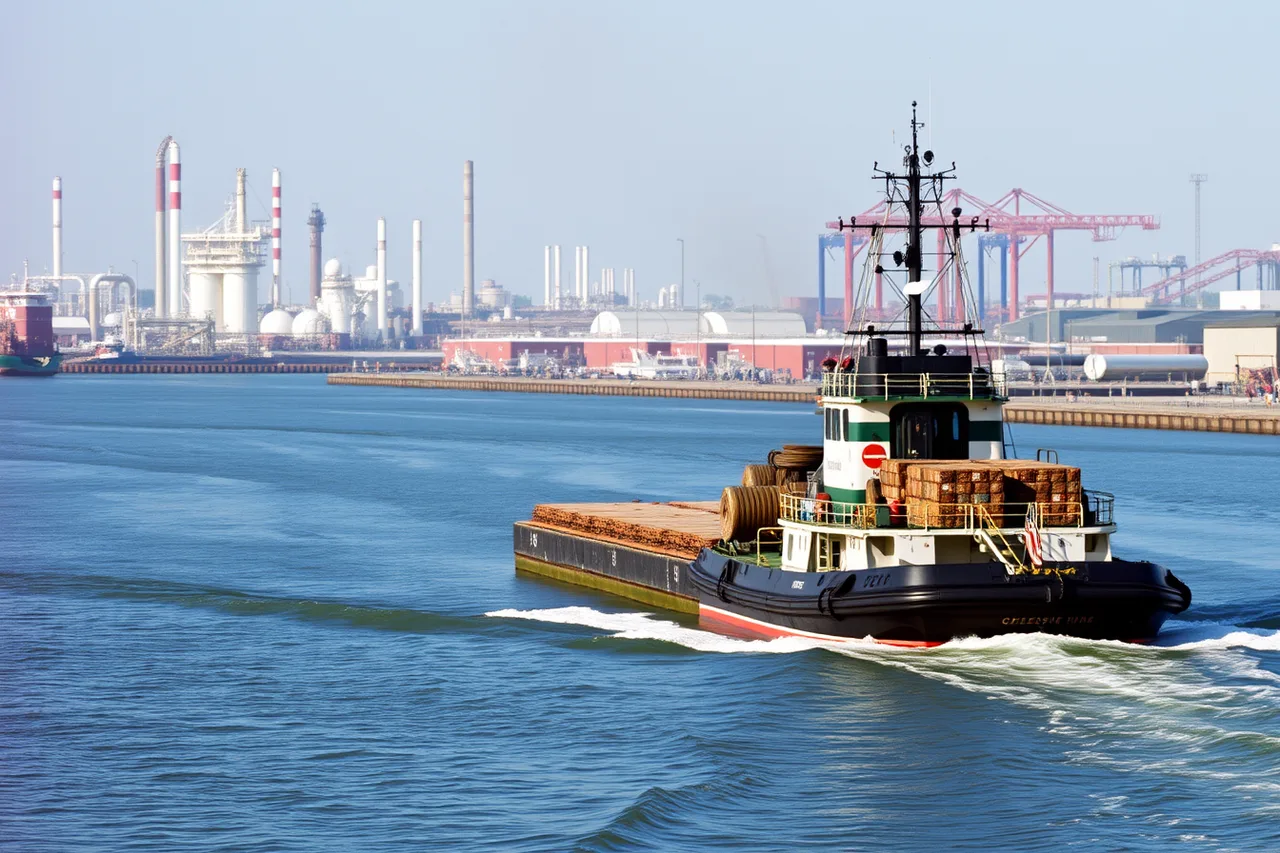
The Jones Act is the first. It gives a seaman injured in the service of a vessel a remedy against the employer, with comparative negligence rather than the no fault workers compensation model. A Houston tug, barge or supply vessel operator therefore carries a protection and indemnity exposure that no land based policy addresses.
Maintenance and cure is part of that exposure. The employer owes injured crew living expenses and medical care, and the duty can outlast the voyage by months. P&I clubs and marine liability markets write this cover.
Wharfage and terminal agreements create a second layer. Stevedoring, terminal operator and wharfinger liability forms respond to damage to cargo in the terminal's care, custody and control, and to injury on the dock.
Cargo is the third. A Houston freight forwarder, NVOCC or shipper needs cargo insurance that follows the goods, not the warehouse. The principles are the same ones set out for importers in this guide to marine cargo insurance, adapted to US port practice and US jurisdiction.
Hull and machinery cover protects the vessel itself, and it is usually written with a deductible and a trading warranty that limits where the vessel may operate. A vessel that strays outside its warranted trading area can find its cover void.
Pollution from a vessel is regulated separately from land based pollution. The Oil Pollution Act and the Clean Water Act impose financial responsibility requirements on tank vessels and non tank vessels above certain tonnage, and a Certificate of Financial Responsibility must be in place to operate in US waters.
Risk managers should map every entity that touches the water, then confirm which policy responds. Owners, operators, charterers, terminal operators and stevedores each carry a different slice of the same loss.
Petroleum, natural gas and renewables: how sector data shapes underwriting
Underwriters price Houston energy accounts with sector data in front of them, not with a general impression of the industry. The Petroleum & Other Liquids - U.S. Energy Information Administration (EIA) data set covers production, refinery capacity, inventories and prices that feed directly into exposure bases.
A refinery's throughput, a pipeline's volume, a terminal's storage capacity and a drilling program's rig count all scale the potential loss. When those numbers move, premiums move with them at renewal.
The Natural Gas - U.S. Energy Information Administration (EIA) data does the same job for gas processing, liquefied natural gas terminals and gathering systems. LNG projects on the Texas coast carry large property and liability values that must be scheduled accurately.
Revenue and payroll are the usual rating bases for liability, while property is rated on values at risk and business interruption on projected gross profit. A Houston operator that understates contract labor payroll or omits a leased facility creates a coinsurance or audit problem at year end.
Renewables are now part of the Houston energy book. Solar, battery storage and hydrogen projects bring construction all risk, operational property and liability exposures, and they sit alongside oil and gas on the same balance sheet.
Battery storage adds a fire and thermal runaway exposure that traditional energy underwriters are still pricing. A risk manager with both a refinery and a battery site needs two different underwriting conversations under one program.
Carriers that write these classes usually specialize. Buyers who want a market that already understands the trade should start with carriers that focus on commercial property rather than a general commercial market.
Building a specialized commercial coverage program for Houston operations
A Houston program is a set of coordinated policies, not a single package. The order below reflects how most risk managers and brokers build it.
Building a specialized program
- Map every legal entity, location, vessel, vehicle and contract. Note which service agreements require additional insured status, waivers of subrogation or specific limits.
- Place primary general liability, auto liability and employers liability, then confirm how each responds to contractually assumed liability. The general liability coverage rules on third party claims are the baseline here.
- Add environmental liability where the pollution exclusion bites, using contractors pollution liability for mobile work and site specific pollution legal liability for owned or leased premises.
- Build the excess and umbrella tower above the primary layers, matching each layer's schedule of underlying policies and checking for gaps in follow form wording.
- Place marine cover for vessels, P&I, wharfinger liability and cargo, and confirm Jones Act and maintenance and cure exposure is insured.
- Complete property, business interruption, workers compensation and, where the risk sits in a flood zone, flood cover.
- Test the whole program against a realistic loss scenario before renewal, not after.
Use this checklist at renewal to catch the gaps that show up most often in Houston accounts.
- Pollution exclusion reviewed on every general liability, auto and property policy.
- Contractual liability and additional insured requirements matched to actual policy limits.
- Excess tower schedule reconciled with each underlying policy number and limit.
- Jones Act, maintenance and cure and P&I cover confirmed for every vessel and crew.
- Cargo values, wharfage agreements and terminal custody exposures scheduled.
- Payroll, revenue and property values audited against the expiring policy.
- Certificates of Financial Responsibility current for vessels in US waters.
- Certificates of insurance issued to every operator that requires them.
Premiums follow the exposure, so the work that lowers cost is the work that documents the risk. A complete spill plan, a clean loss run, a verified payroll audit and a tower with no gaps all give an underwriter a reason to quote competitively.