Features
Contractors Equipment Insurance vs General Liability: Which One Pays for a Stolen Excavator?
Contractors equipment insurance vs general liability: a stolen excavator case that shows which US policy pays, and which clause decides the claim.
What to take away
- A general liability policy pays for harm your business causes other people and their property. It does not pay for your excavator.
- A contractors equipment floater, an inland marine form, covers scheduled or blanket tools and equipment, including theft.
- The care, custody or control exclusion decides which carrier opens a file when a machine disappears.
- Neither policy pays for mechanical breakdown, wear, or a machine that quits on its own.
- Both pay what you can prove, not what you remember.
Two policies answering different questions
A commercial general liability form covers bodily injury and property damage your operations cause to third parties, plus your defense when someone sues. It was never built to insure the tools in your trailer. General liability insurance is written to protect other people's assets, not yours.
A contractors equipment floater answers the other question: what did I lose? It is a property form written under inland marine rules, which is why it can follow a machine from your yard to a highway project and back. You can schedule each unit by serial number or buy a blanket limit.
The criteria that matter
Four questions separate these forms faster than any brochure.
General liability vs equipment floater
General liability
- Payout trigger
- Third-party injury
- Your excavator
- Excluded
- Care, custody, control
- Excluded
- Theft from job site
- No
- Valuation
- Not applicable
- Deductible
- Not applicable
Contractors equipment floater
- Payout trigger
- Own tools lost
- Your excavator
- Covered if scheduled
- Care, custody, control
- Center of coverage
- Theft from job site
- Yes, with conditions
- Valuation
- ACV or replacement cost
- Deductible
- $500 to $5,000
General liability
- Trigger for a payout
- Third-party injury or damage
- Your excavator
- Excluded
- Care, custody or control
- Excluded by standard wording
- Theft from a job site
- No
- Valuation
- Not applicable
- Deductible
- Not applicable
Contractors equipment floater
- Trigger for a payout
- Your own tools and equipment
- Your excavator
- Covered if scheduled or inside a blanket limit
- Care, custody or control
- The center of the coverage
- Theft from a job site
- Yes, subject to limits and conditions
- Valuation
- Actual cash value or replacement cost, per form
- Deductible
- Illustrative range of $500 to $5,000
If you are comparing general liability insurers, the exclusion column is where the decision sits, not the carrier's marketing.
Example: a stolen excavator on a Tuesday
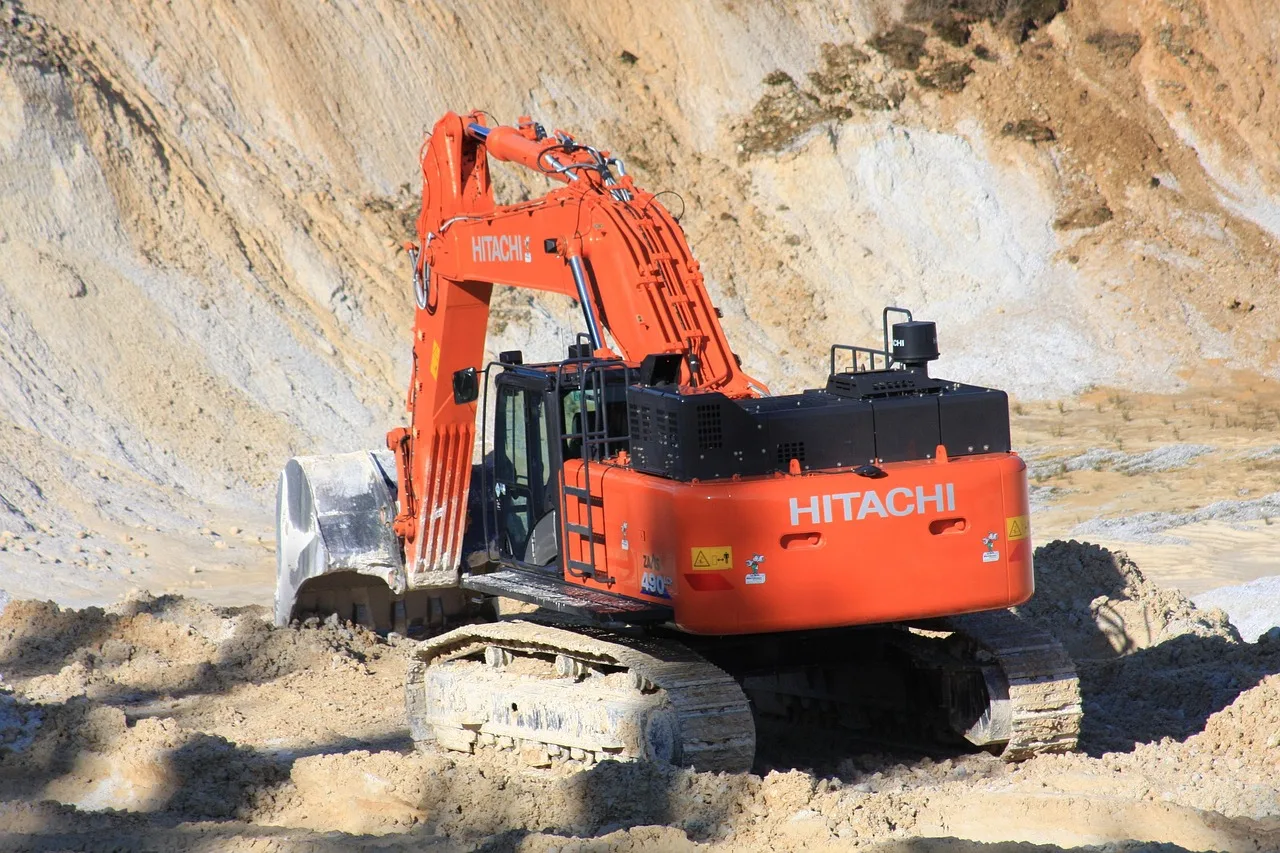
A contractor parks an excavator behind a chain-link fence at a subdivision job. Overnight, someone cuts the lock, loads the machine onto a trailer, and drives off. The contractor files a police report and calls both agents.
After a stolen excavator
- File police report, get case number same day
- Notify both carriers in writing
- Send schedule, receipt, service record
- Keep recovered machine for adjuster
The general liability adjuster declines. The excavator is the insured's own property, and no third party was harmed. Had the machine belonged to a subcontractor and sat in the contractor's care, the care, custody or control exclusion would still apply.
The care, custody or control exclusion is not a technicality. It is the clause that routes the claim.
The floater adjuster opens a file when the excavator is scheduled or falls inside the blanket limit. Payment runs to actual cash value on many forms and replacement cost on others, minus the deductible. The file looks like any commercial property claim, with one addition: the serial number must match the schedule.
- File the police report and get the case number the same day.
- Notify both carriers in writing, even when you expect one to decline.
- Send the schedule, the purchase receipt, and the last service record.
- Keep a recovered machine out of the scrap yard until an adjuster sees it.
Where each policy is right
General liability is the right answer when the loss runs the other way. A bucket drops on a parked car, a machine strikes a gas line, or a pedestrian is hurt past a barricade. Those are third-party claims, and the liability form responds.
The floater is the right answer when the loss is yours: theft, vandalism, a machine that slides into a creek, a trailer fire. Property insurance treats those perils much the same way, and equipment breakdown sits outside both forms.
A third case involves both. You borrow a subcontractor's excavator, it is stolen, and the subcontractor wants to be made whole. Their floater usually pays them first. Your liability form may be drawn in, and care, custody or control is the usual answer.
What neither policy solves
Both forms pay what you can prove, not what you remember. A blanket limit still requires a description and a value. A liability policy still requires an account of what happened and who was hurt.
Most commercial property mistakes that sit quiet until a loss exposes them are recordkeeping failures. A machine bought two years ago missed the schedule, its value was set at purchase price, and no receipt survives in the file.
Mechanical breakdown is excluded on both, along with wear and gradual deterioration. You can buy a separate breakdown form, with its own terms and its own price.