Guides
Equipment Breakdown Insurance vs Property Insurance: Which Policy Pays After a Machine Failure
Compare commercial property insurance and equipment breakdown coverage by cause of loss, covering ISO CP 10 30 exclusions, covered equipment, and lost income.
What to take away
- A commercial property policy pays for a failed machine only when a covered peril, not mechanical breakdown, caused the damage.
- Equipment breakdown coverage pays for the accident itselfthe seized compressor, the arced panel, the cracked boiler tube.
- The two policies answer different questions, and a serious loss often produces a claim on each.
- Neither pays for the wear, corrosion, or skipped maintenance that made the failure likely.
What is being compared
Commercial property insurance covers the building, its contents, and the income that stops when either is damaged. Equipment breakdown insurance covers the machinery inside. The dividing line is cause, not equipment type.
A standard property insurance policy lists equipment breakdown among its common exclusions, so the same compressor can sit on one schedule and outside the other coverage grant. ISO replaced the boiler and machinery line with equipment breakdown forms around 2000. The newer forms read as a list of accidents: motor burnout, control failure, arcing, and pressure vessel rupture.
The criteria that matter
Four criteria decide which policy responds: the cause of the loss, the item damaged, whether other property was damaged, and whether income stopped. The matrix below compares ISO's Special Form property policy, CP 10 30, against a standard equipment breakdown form.
Property vs Equipment Breakdown
Commercial property, ISO special form
- Trigger
- Covered cause of loss
- Failed machine
- Excluded
- Other property
- Paid if specified cause
- Lost income
- Requires BI coverage
- Inspections
- No requirement
Equipment breakdown coverage
- Trigger
- Sudden accidental breakdown
- Failed machine
- Covered
- Other property
- Paid subject to limits
- Lost income
- Added by endorsement
- Inspections
- Jurisdictional inspections common
Commercial property, ISO special form
- Trigger
- A covered cause of loss, such as fire, wind, or water
- The failed machine
- Excluded when mechanical breakdown, arcing, or wear caused the damage
- Damage to other property
- Paid when the spreading damage is a specified cause of loss
- Lost income
- Requires business income coverage and a covered cause
- Inspections
- No inspection requirement in the form
Equipment breakdown coverage
- Trigger
- A sudden and accidental breakdown of covered equipment
- The failed machine
- Covered, including repair or replacement of the equipment
- Damage to other property
- Paid as part of the accident, subject to form limits
- Lost income
- Added by endorsement, not automatic
- Inspections
- Jurisdictional inspections and records are common
ISO publishes three property causes of loss forms. CP 10 10 covers basic perils, CP 10 20 adds broad perils, and CP 10 30 insures risks of direct physical loss unless excluded.
Every one carries the equipment breakdown language, and the Special Form adds an anti-concurrent causation lead-in. Documentation decides as much as the peril list, and the commercial property requirements buyers miss surface at claim time.
A compressor that seizes and stops is an equipment breakdown claim. A compressor that seizes, arcs, and starts a fire is an equipment breakdown claim and a property claim, split across two policies and two deductibles.
Option by option: the property policy
The Special Form excludes mechanical breakdown, including rupture or bursting caused by centrifugal force. It restores damage from the specified causes of loss, so a fire that follows an arcing failure is paid while the failed panel is not.
Artificially generated electrical current is excluded for the wiring and devices it damages, with a fire exception. Property policies also carry coinsurance clauses that reduce the payout when reported values fall below the limit, which coinsurance sets out in formula form.
Option by option: the equipment breakdown form
Equipment breakdown coverage insures an accident, defined in the forms as a sudden and accidental breakdown of covered equipment that causes physical damage requiring repair or replacement. Covered equipment usually includes boilers, pressure vessels, HVAC units, compressors, and switchgear.
The form pays to repair or replace the damaged equipment and covers damage to other property. Expediting expenses, spoilage, and business income can be added by endorsement. Jurisdictional inspections under state boiler and pressure vessel rules, and the ASME code behind them, are part of underwriting.
Lost income is never automatic. business interruption insurance has to be added to either policy, and it answers to the same cause test.
Where each one wins
Advantages
- Equipment breakdown is right when the failure starts inside a machine and the repair bill plus downtime is the real number, which is common in bakeries and print shops.
- Both are right for a manufacturer running one production line, because a fire after a bearing failure touches two policies.
Drawbacks
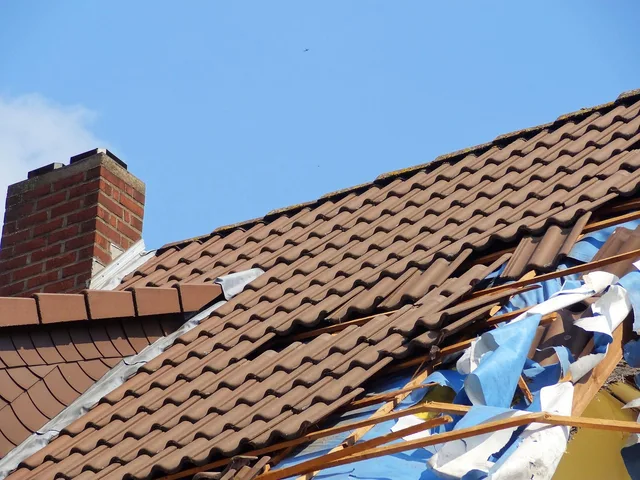
- Property is the right answer when the loss arrives from outside, such as a roof torn off in a windstorm, though the commercial property mistakes that stay quiet for a season can still turn a simple claim into a dispute.
What none of them solve
Neither policy pays for the decline that made the failure probable. Wear, corrosion, fatigue, and skipped maintenance sit outside both coverage grants, and both forms let the insurer ask for records to show the loss was accidental.
When a motor burns out after two years of overheating, the argument is not about which policy applies. It is about whether either applies.
The records side decides these claims, and a commercial property checklist for the claim file is a reasonable place to start.